Pet Stressed or Curious About the Vacuum? Key Signs
What signs show my pet is stressed by the vacuum versus just curious?
Vacuum cleaners are loud, fast, and unpredictable—three things that can trigger stress in many pets. The easiest way to tell “stressed” from “curious” is to watch what your pet’s body is asking for: distance and escape, or safe investigation.
Signs your pet is stressed by the vacuum
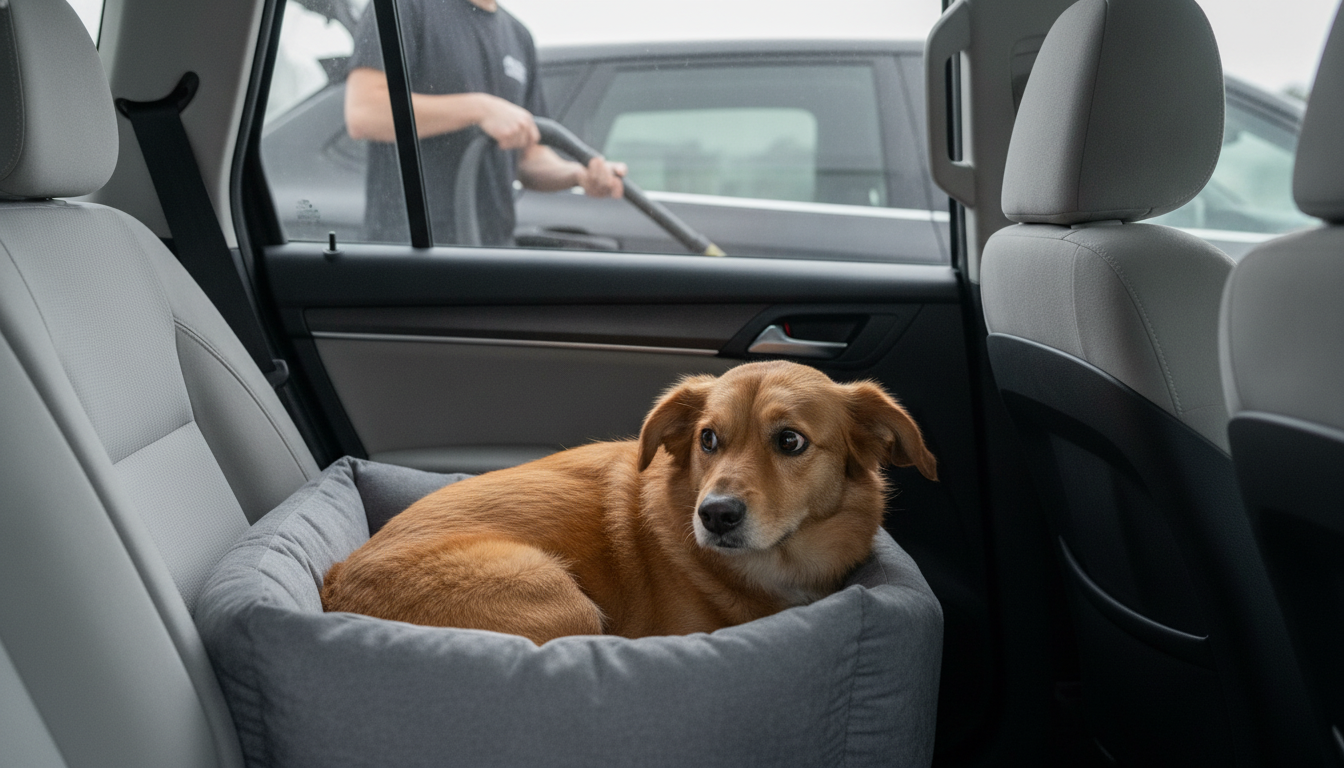
Stress usually shows up as avoidance, shutdown, or frantic behavior. Common red flags include hiding under furniture, bolting to another room, trembling, panting when it’s not hot, excessive drooling, or a tucked tail. Some pets freeze in place with a stiff posture, ears pinned back, and wide eyes. Others pace, whine, bark continuously, or try to herd/attack the vacuum because they feel trapped or overwhelmed.
Look for “can’t settle” patterns: your pet keeps scanning the room, won’t take treats they normally love, or repeatedly attempts to escape. After vacuuming ends, lingering signs like refusal to re-enter the area, clinginess, or stress-shedding can also point to fear rather than interest.
Signs your pet is just curious
Curiosity tends to be controlled and choice-based. A curious pet may watch from a comfortable distance, approach with a relaxed body, and retreat easily without panic. You’ll often see neutral or forward ears, loose muscles, a soft face, and normal breathing. Many pets will sniff the vacuum when it’s off, follow at a distance, or investigate the cord and wheels when movement stops.
Another clue is recoverability: a curious pet may startle at sudden noise but quickly return to normal behavior—eating treats, responding to their name, and moving freely around the home.
Quick at-home check
If your pet can choose to move away and stays calm, they’re likely curious. If they look trapped, can’t disengage, or show escalating agitation, treat it as stress. For more practical tips on reading your pet’s reactions and making vacuum time easier, visit the main article.
FAQ
How can I help my pet feel safer during vacuuming?
Create distance and predictability: set up a quiet room with a bed, water, and a sound buffer (fan or white noise), then reward calm behavior before and after vacuuming. If fear is intense or escalating, a trainer or vet can help with a step-by-step desensitization plan.










Leave a comment